
Why We Want Formed our Union
Get to know why Research and Public Service Professionals at the UC came together to form a union below.

Leila Espinosa, UCLA
I came to work at UCLA because of it allowed me to work on issues that I care deeply about. I have found that while the UC promotes practices that are meant to ensure the well-being of communities and families, the UC lags in practicing of what it preaches. While the UC appears to offer a multitude of programs for employees, in practice, it is not consistently encouraged or welcomed depending on your supervisor or department. It also has moved toward posting positions that offer less job security, making it hard to keep good workers and also advance in your career. I would like to see clear policies along with funding that enable opportunities for career growth and trajectories for advancement. I want to see a UC that practices and upholds the values that it publicly preaches. Forming a union will allow us to negotiate for better pay and benefits, along with better job security and work conditions.

Grace Maus, UC Irvine
My time working for UCI has been great thus far. While I’m thankful for my personal experience, I know that the work environment and benefits under the current system today are not guaranteed tomorrow. Our field is facing threats at multiple levels, leaving RPSPs confused and scared about their futures.
Forming RPSP-UAW is critical in obtaining a spot at the bargaining table, where we can voice our concerns directly, prioritize our needs, and negotiate what’s best for us. I’m grateful to work with so many people who are passionate about bringing the ubiquitous impacts of research to fruition. I believe that they, along with ALL RPSPs, deserve to feel valued and protected from the unpredictable. By organizing with RPSP-UAW, we have the chance to make our voices heard and to guarantee a more equitable, sustainable workplace.

Deborah Ferguson-Fitch, UCSF
Having been with UCSF for over 13 years, I’ve consistently worked to advance its mission and foster a healthy work environment. My decision to support unionization stems not only from job security concerns but also from the crucial need for a collective voice. Joining 48,000 UC-UAW members will provide the political power to influence policy and funding at all levels, addressing critical issues like workload, fair compensation, lower healthcare out-of-pocket costs, and better healthcare options for out-of-state colleagues.

Tony Yang, UCOP
Everything good about work has come from a union: Social Security, Medicare, pensions, 40 hour work week, and worker protections. Now is a time for better wages, promotions, and a more just University. Research and Public Services Professional Staff deserve a voice at our University and I support forming a union.

Laurie Pfeiffer, UCSB
I’m proud to be part of the next generation of card-carrying union members. Now more than ever, it’s essential that we participate in decisions that affect our jobs, our benefits, and our future within the UC community. Unity gives us a strong voice—one that can effectively advocate for employee rights and drive meaningful change. I stand with my UC fellows in supporting a fair, equitable, and positive environment for job stability and career advancement.
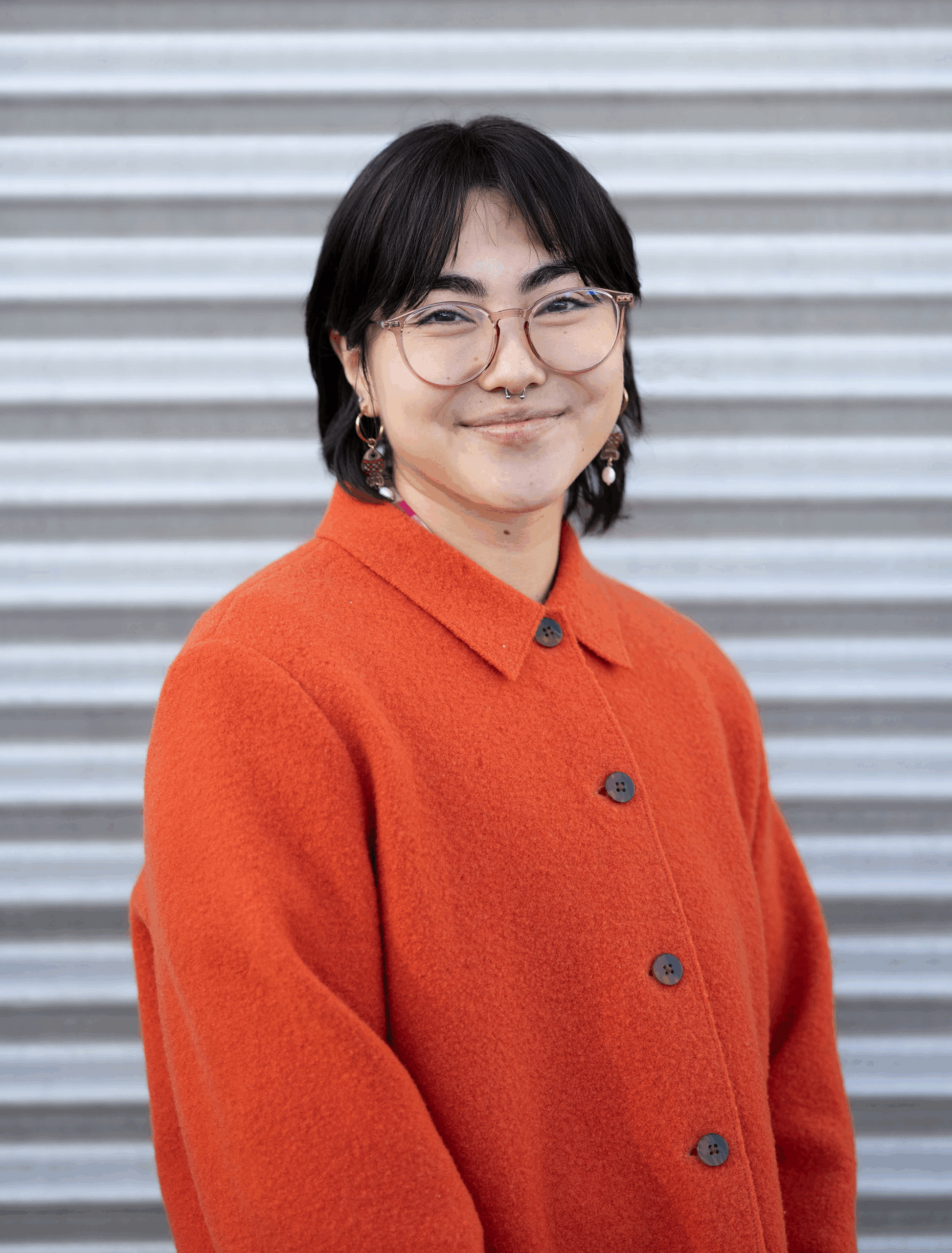
Ashleigh Abe, ucsc
As an early-career employee, I’m excited to begin my professional journey at UCSC, and I’ve found both a job and a community that I truly care about. I want to be able to stay and grow here for the long term—but that requires a workplace that provides living wages, career development opportunities, and a sense of stability.
Right now, I commute about an hour each way because the cost of living closer to campus is unaffordable. That kind of strain shouldn’t be the norm. Employees should be paid enough to live comfortably near where they work and to plan for a future with confidence. I want to be able to see myself here long term—not just now when I’m young and flexible—but as I grow older and my needs change.
As someone just starting out, I’m eager to learn, take on more responsibility, and grow professionally, but it’s hard to see what that path looks like. Opportunities for advancement feel unclear, and it can feel like there’s no roadmap. I want to know that if I invest in this work, I’ll be supported in building a future here.
Forming RPSP-UAW is about addressing those structural issues. It’s how we support each other and advocate for the conditions that allow us not just to stay, but to thrive within the UC system. Unionizing gives us a collective voice to help shape a more equitable and sustainable future for all of us.

Aliza Adler, UCSF
I am a Research Data Analyst in the Department of Epidemiology and Biostatistics at UCSF. Our annual salary increases do not keep pace with increases to our out of pocket expenses — like health insurance premiums — and there are no protections to ensure we even receive an annual increase. As someone who has worked at UCSF for over 6 years, I’ve found that it’s incredibly hard to negotiate on an individual basis. Forming a union would allow us more bargaining power and better protections as vital workers.

Elizabeth Angel, UC Davis
Working at UC Davis has allowed me both the flexibility that comes with remote work while keeping a job that I love. A union would provide a safety net and basic protections, not only for me but for all of us. My supervisor is very accommodating, but I often worry about higher level decisions that could impact my ability to work remotely. Having a child with special needs, one of the most important aspects of my job is having flexibility to respond as needed. Without the remote option, I would not be able to work.

Mariah Cladis, UC Riverside
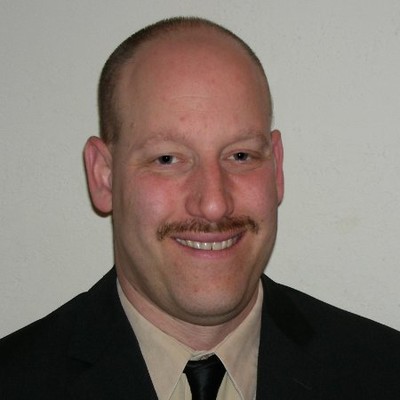
Lorin Heller, UCSF
I love my work as a Research Administrator IV at UCSF and want to continue it for the rest of my working life. Noting external funding threats, I am looking toward unionization to hopefully assist in finding alternatives to mass layoffs and other policy changes which would have an adverse impact on the good work that the many staff are providing.

Anthea Mitchell, UCSD
Anyone working in research and in academia right now knows that it’s a volatile time for funding in the current political climate. Now more than ever I feel we should be joining the majority of UC workers who are already a part of a union to make sure that we protect and go to bat for each other to our fullest capacity.
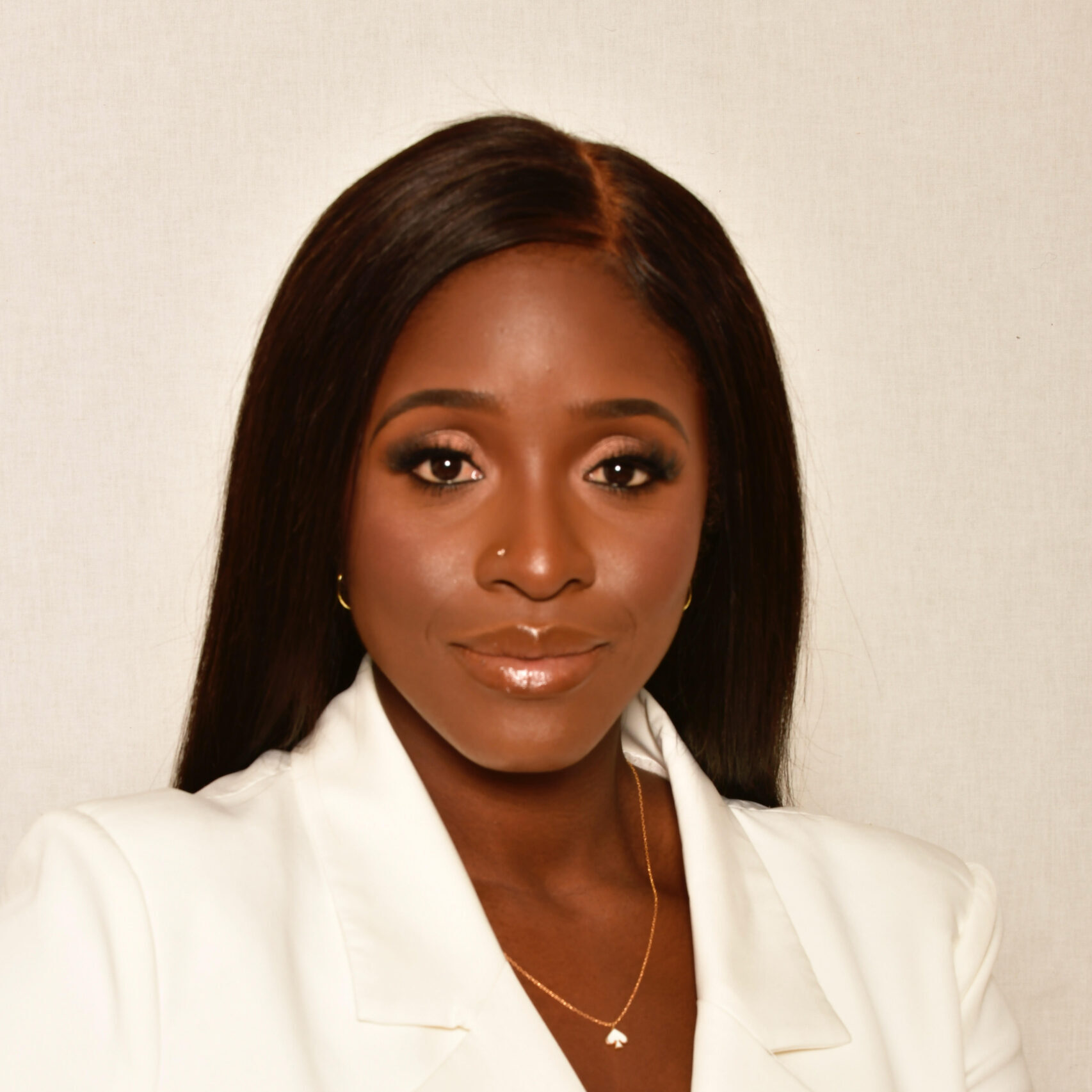
Ejiro Ntekume, UCLA

Erika Solberg, UC Santa Cruz

Rachel Do, Uc Irvine
I’ve been lucky enough to attend undergrad, graduate school, and now have a career all at UC campuses. The best part of these experiences has always been the community of people dedicated to education and research, but l’ve also seen many brilliant and hardworking colleagues burnt out and frustrated because important decisions about their work are made by people they’ve never even met.
With all of us coming together to form a union, we can fight for what is important to us – things like career advancement, salary increases, and other protections for stability and transparency – so that a career in research is sustainable for everyone.

Amelia Johnson, UCSF
I was raised by a unionized public school teacher who placed an immense value on education. Graduating from two UC schools (BA from UC Davis and MPH from UCLA) and then working for the system for the past nine years has been a point of immense pride. But as an employee, I also see the limitations of our institutions as the current federal administration directly attacks our campuses, students, funding and values. I support RPSP’s unionizing efforts because our most powerful voice, now and always, will be through organizing via our labor.
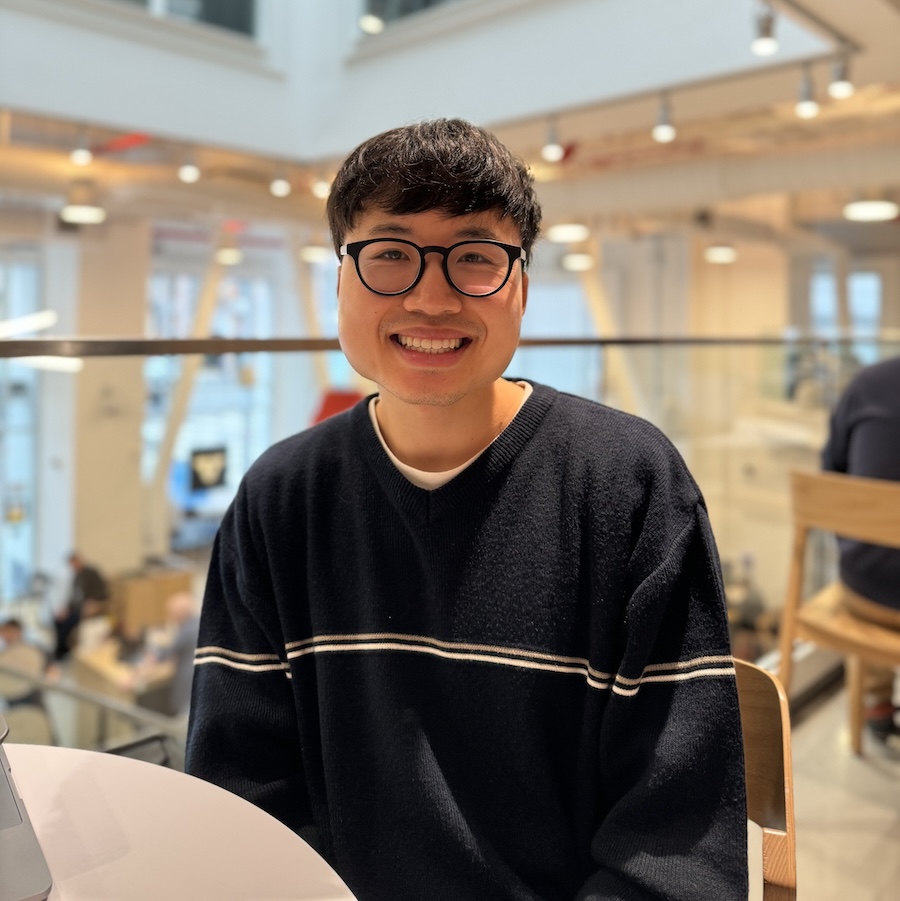
andrew Nguyen, UC BERKELEY
I’ve been grateful that I’ve enjoyed a lot of the facets of my work, and I want to ensure that others in the same can access the same benefits. At the same time, transparency and clear expectations for progression/advancement within the UCs has always been nebulous, and it’s something I strongly believe in advocating for!

Nick Montero, UC Davis
I have greatly appreciated working at the University of California Davis for the past 10 years. I have experienced a great work environment and would like for it to continue with others in Research Accounting. We have had our share of ups and downs at the University, and with recent changing of management personnel, we need a clear and transparent path for promotions within our job titles. I believe we need to support each other by forming RPSP-UAW to make this happen to be given equal opportunities to grow in our profession. I would like to encourage others in joining with me to support RPSP-UAW and vote yes on the upcoming election.
Mike McCormack, UCLA
I chose to work at UCLA six years ago because of its reputation as a public university that provides quality jobs while valuing rigorous research in pursuit of improving the wellbeing of communities in California and around the world. I have noticed that non-union analysts at UC often struggle with overwork, unclear paths for career advancement and the high cost of living in Los Angeles. This contrasts with my previous experience as a unionized student researcher and graduate student at another university, where I had fair working conditions, protections against overwork and regular pay raises. I support forming a union with fellow analysts across UC because it will facilitate improvements in our pay, benefits, and job security, and would improve the functioning of UC as a premier institution of higher learning and research.

Emily Flynn, UCSF
I want a union because I love my job at UC and want myself and my coworkers to be able to continue working here. Many of us have taken substantial pay cuts to work in academia. However, as unrepresented employees at UC, we have not only had lower pay raises than unionized employees over the last ten years, but also lack clear pathways to promotion and have worse benefits, including fewer vacation days and more expensive insurance premiums. I want to form a union now more than ever because of the federal attack on science that is leading to cuts and layoffs across UC. With a union, we will be able to come together as workers, define our priorities, and have a unified voice for critical discussions with UC in these unprecedented times.

Rio Gonzalez, UC Berkeley
My contract with UC Berkeley offers some job security, but not enough. These short term contracts put a mental and financial toll on people. I know we can do better. This is one of the many reasons I support research professionals forming a union. I believe in the democratic bargaining power unions hold and know that we are working towards having a truly representative union that will lead to an improvement in our working conditions.
Jessica Stevermer, UCLA
I support the UC Research and Public Services Professionals union because I care deeply about my coworkers and I want to make our workplace better for everyone. We often work long hours to support vital research across the UC. We deserve a better work life balance and to be able to afford childcare and support our families. We are proud of the work we do, and together we can create a healthier environment for workers at the UC.

Emma Jackson, UC Berkeley

Simeon Benit, UCSD
Maria Fernanda Albarracin, UCSF
As an Administrative Manager in a core Division of Research at UCSF, I take great pride in being part of this esteemed institution. Learning about the formation of our union fills me with enthusiasm, as I have a deep-rooted belief in the power of collective action. Having been born and raised under the influence of the Argentinean Metal Workers Union, I am a steadfast advocate for the strength that arises from united worker voices. A labor union serves to unite these voices, champion workers’ rights, and forge a path toward justice and equitable labor conditions for all. This encompasses critical aspects such as job security, access to training and educational programs, workplace safety, and robust advocacy. I am committed to these principles and strive for a better future for all of us at UCSF.

Kimberly Schweigman, UCLA
I support Research and Public Service Professionals unionizing at UC because I believe our work is under attack. We deserve real protections, promises from UC to keep our jobs hybrid, and meaningful salary raises that reflect our contributions and sustain the people who support the vital work we do everyday. Our best shot at accomplishing this is through a union of, by, and for staff like us.

Scott Candey, UC BERKELEY
I love the flexibility of my work at UC Berkeley’s Space Sciences Lab and I want to have a say in the decision making process to make sure that remains viable in the future.

Elise Hellwig, UC Davis
I love working at the DataLab at UC Davis. However, when I joined my current position, I didn’t feel I had any input into the contract I was signing. Additionally, the salary range for my job title was so wide, it wasn’t clear to me why I had the salary I did or what was necessary for progression in my position. I also know that while my supervisor is very supportive, not everyone is so lucky. By being a part of a union, we can make sure everyone has the same protections. We rise together.
EJ Toppin, UC Berkeley
Working for UC is enjoyable because the work that I do makes me feel like I am making a real difference in people’s lives. The institute that I work for is social justice oriented and aligns with my personal values. Yet the structure of employment at times makes life in and out of work more difficult than it has to be. Short-term contracts as well as opaque processes for advancement and raises creates uncertainty and consumes time and energy that could otherwise be dedicated to the mission of the work I care so much about. I am happily involved with the union organizing effort because I think it is the best vehicle for bringing about the change I want to see at the UC wide level where these decisions are made. In addition to this strategic reason, it’s been a joy to get to know other analysts and build community with people I otherwise wouldn’t have the chance to meet.

Liz Greenwood, UCSF
As a Policy Analyst with the UCSF Academic Senate, my entire role is dedicated to supporting a governing body that advocates for better working conditions for faculty. I have a firsthand look at what advocacy can achieve within the UC system, and I believe that Research and Public Service Professionals deserve the same advocacy as other groups on campus have. I’m hopeful that unionizing will allow us to collectively negotiate not only for pay and benefits commensurate with the rising cost of living in California but also for clearly defined pathways for career advancement.

Carli Baker, UC Berkeley
I joined UC Berkeley in September 2022 in order to support students in achieving their personal and professional goals, while modeling a healthy work environment for my early career staff. I love my job, but often feel that as a non-unionized employee, my voice isn’t heard, limiting my effectiveness in advocating for myself, my co-workers, and my students. I believe that UC Researchers and Public Service Professionals deserve the working rights and benefits of a union, to ensure that the UCs can hire and retain the highest quality staff and continue to provide the structure to support our world-class public higher education institutions.
Ta-Chung Ong, UCLA
My department has this to say about my job in its academic senate review: “MIC staff positions are not very attractive, considering the lack of professional advancement opportunities, relatively low wages, and the high cost of living in the LA area.” These are good reasons why I support forming a union so we can address these challenges.

Daniel Ballard, UCSD
I joined the UCSD workforce in 2022 after being fired for trying to unionize the private genomics lab that hired me right after graduating. Now that I have this second chance to organize with the support of an established group like UAW, I feel the true strength of solidarity with my fellow UC scientists and professionals. Together, we can democratize the workplace and fight for a fairer share from the universities we work every day to enrich.

Brian Justie, UCLA
As a graduate student at UCLA, I experienced firsthand the life-changing impact that organizing a union had for thousands of student-workers across the state, who play a critical — but often overlooked — role in the university’s mission. Getting involved in that campaign was a formative experience for me, and demonstrated to me the value of attaining a more democratic workplace. Now as a member of the research staff, it feels particularly urgent that we also organize to secure more equitable working conditions and better prospects for longterm career development. Winning a union will help to ensure that I can continue to do research at UCLA that I am deeply passionate about, and never find myself forced to leave to pursue a more sustainable but less fulfilling career elsewhere.

Eve Perry, UCSF
I love my work at UCSF. My research contributes directly to ending homelessness. I’d like to make this my long-term career, but I worry that UC won’t provide me with the support I need to do that. During my time at UC, I’ve seen slashed retirement benefits, increased healthcare costs, and pay that doesn’t keep pace with the skyrocketing cost of living in the Bay Area. With a union, I’d feel much more confident that I could stay at UCSF and continuing working to end homelessness.

Kaela P, ANR
I have worked at UC for 5 years. I chose to work here because I love the mission and feel the work aligns with my personal values of equity and a society that supports the well-being and health of everyone. While I enjoy my work, I also struggle to make ends meet and build the life I want to lead. Compared to similar work both in private and other government agencies (who are unionized!), I am chronically underpaid with no opportunities or clear pathways for career advancement. During the early months of the Covid-19 pandemic I watched as UCANR justified not giving raises to non-unionized staff due to budget cuts while honoring their contractual agreements for unionized staff. Our petitions to have UCANR reconsider this decision went ignored. That was a cost of living raise that I was counting on which was withheld because I wasn’t in a union. This highlighted for me the reality of the staff experience at UC. Unions give you power and a platform to be heard. Without them, my financial security is less certain and subject to the whims of leadership. I support unionization because I want more financial security and career advancement. I also want UC as an employer to uphold the values and practices that I advocate for through my research every single day. Ever UC employee should be able to build the life and career they want to lead.

Teresa McCaffrey, UC Santa Cruz
I support a union because I believe that staff should be paid a living wage; that after a few years in a position, you have gained expertise that should be rewarded with a step increase; that we need effective channels to address issues in our jobs; and that we need enough vacation days that people are not constantly exhausted.
Mayra Sanchez, UC Davis
Although I have a supportive and understanding supervisor, I recognize that many of my colleagues are not as lucky. Even in the best workplaces, it can be difficult or uncomfortable to bring up certain concerns. Additionally, many decisions that affect our employment, such as job stability or salary increases, are often made not by our direct supervisors, but by higher-level administrators.
With a union, we’re not alone. Unions give us a collective voice, making it safer and easier to address uncomfortable topics that are recognized and negotiated collectively, rather than individually. Coming together to form a union dedicated to protecting our rights provides a greater sense of security and empowerment.
AaroN Brown, UC San Diego
As an experienced engineer from industry I chose to return to academia to work with younger generations to pass on my knowledge, experience, and help prepare them to be successful in their careers. I truly enjoy my job and the people I get to work with but it is regrettably not a sustainable place to keep working and be able to support my family. The pay is not even keeping up with cost of living, there is no room for career advancement, no merit based pay increases, and offering housing that is more expensive than a senior employee even takes home each month is beyond insulting. One of the biggest selling points to work for the university was the benefits but even those have become not competitive with industry. The medical cost are out of control, the retirement plan wont allow you to retire, we have to pay to park , the discount for us to continue our education at the UC is a joke, and there are very little benefits for immediate family.
Holly Beale, UC Santa Cruz
I study pediatric cancer at the University of California Santa Cruz. 70 years ago, 80% of kids with pediatric cancer died from it. Now, because of publicly funded research, 80% survive, but 20% still do not. We are developing new ways to treat these kids and everyone else who has a rare disease. Childhood cancer is a devastating thing. Without federal research funding, we’re going to go backward and lose even more kids than we already are. With a union, research professionals at UC will have more power to protect federal research funding.

Madin Sadat, UCLA
I genuinely like working in research, but at UC there are challenges that make it an unsustainable job. I’m a contract employee and it’s stressful knowing that there is likely no path to advancement since I’m working grant to grant; when the grant cycle is over, so is my time at the job. UC pays a lot less than industry for similar work and I often feel like I’m giving more to my job than the university is giving back. Right now we don’t have any power to change aspects of our jobs that create challenges in our lives. If you and I and a few thousand of our fellow research and public service workers collectively decide to advocate for ourselves via a union, we will have the power to negotiate with the university for job security, increases in pay, and have union representatives to help us if we experience workplace issues.

Hossein Ayazi, UC Berkeley
Across my research, teaching, and policy work, I’ve always centered histories and dynamics of exploitation and dispossession, and the ways that communities and movements have responded and tried to build a more just and equitable world. Our places of work at the University of California are among such sites of such struggle, and so our task is not only to improve working conditions, compensation, and protections for ourselves and our colleagues, but also to study and strengthen the connections between our struggles on and off campus.

Christina Becker, UCANR
My job satisfaction often hinges on who my supervisor is. With a good supervisor, I have a balanced workload, advocacy for raises and advancement opportunities, and avenues for conflict resolution. But when support is lacking, I’m on my own, facing burnout and and feeling powerless. The stark contrast between having and lacking a supportive supervisor highlights the need for a union. A union ensures stability beyond individual supervisors, fighting for fair work-life balance, better pay, and a supportive workplace. With a union, regardless of my immediate supervisor, I know I can better advocate for my well-being and foster a stable work environment.
Gar-Wei Lee, UCSF
I am a research data analyst at UCSF, contracted to work at the California Department of Public Health. I come from a family that is passionate about union organizing and from their work I’ve witnessed all the positive things that result from being in a union. I support unionizing as a way to further protect the job I love, especially in difficult times as these where the work I care very deeply about is being threatened by forces outside my control. I hope to take back some of that control by joining my coworkers in a union.

Jason Whisler, UC Davis
I grew up in a Union household, became a Labor and Working Class Historian, served as President of a Graduate Employees Union, spent 7+ years on Union staff, and now work at the UC Davis Labor Center, so I have devoted my entire professional career to the belief that ALL workers should have a Union, and I am thrilled with the opportunity to be a part of RPSP-UAW. As our careers are threatened by budget cuts, we have so much to protect and to fight to improve. Collective power as a Union is the single best mean to those ends.
Brandon Jolly, UCLA
As a prior chemistry graduate student at UCLA, I’ve experienced firsthand the power of having union representation when it comes to improving working conditions. Now as a staff member working as a facility director and lab manager, I’m passionate about gaining that representation for myself and fellow research and public service professionals. I support these efforts in order to improve parts of working at the UC such as childcare support/parental leave, career development opportunities, and grievance procedures.

Manula Dombagahawatta, UCSF
I have coworkers with union representation, and they have a direct say in negotiating for their working conditions. When looking at the stats on cost-living adjustments, all unionized workers at UC received better pay raises than non-unionized workers. I want to have the same agency and benefits as my unionized coworkers.
Alex Sanchez, UC Berkeley
Living in the Bay Area as an analyst means I always have to worry about money. It’s unfair that even though my work and those of many other research support staff are critical to the “prestige” of the UC system, it’s “too hard” or there “aren’t enough funds” from the UCs to guarantee us higher pay, better healthcare and childcare, pension, and more agency and security over our working conditions. If the UCs won’t give us better living and working conditions out of their own will, then we need the power of the collective to demand and ensure those conditions. That’s why I support forming a union.

Joslyn Polzien, UCSF
“Doing more with less” is a myth – the difference rests solely in the types and distribution of resources being expended. Employers who under-resource their employees but expect static or increased quantity and/or quality of work are effectively forcing the employees to pay the difference with their time, energy, opportunities, and mental, physical, and/or financial health. So many of the RAs I work with excel at complex jobs that they love and believe in (and which faculty and leadership consistently laud as critical), and store/exercise priceless quantities of knowledge every day, but we are consistently ignored or answered with empty platitudes when we try to share our expertise on our own job capacities and needs. What is more, it is hard even for us to see how extreme the discrepancies in our working conditions, work output, and salaries can be when we are both heavily siloed and over-extended. With a Union, I look forward to meaningful conversations with my colleagues about what reasonable workloads, minimum and maximum benchmarks of competence by level, remote vs. on-campus work schedules, and fair advancement and compensation really look like in our roles, then negotiating directly and on equal footing with UC representatives who have the power to implement real changes across the University, now and in the future, regardless of our teams, our schools, or our supervisors…good, bad, and everywhere in between. We and the students, faculty, and other staff we do so much to support deserve no less.
Kristen Mosher, UCLA
All of higher education is on edge right now. With the Trump administration’s devastating cuts to research funding and no likely change to that any time soon, universities and funders are scrambling to figure out how to move forward. I’m nervous that, without a union contract ensuring protections like cost-of-living adjustments, RPSPs are going to get caught in the crossfire of UC budget cuts. We need to join together so we can negotiate with UC, like so many other groups of students and employees already do, to protect our jobs, our work-life balance, and the work that we all care so much about
Jessica Famula, UC Davis
I’ve worked in research at UCD Health for ten years and have only been able to advance my career through lateral moves, rather than promotion within my department. Although my knowledge and skills grow over time, I have had to separate from my previous positions to seek a salary that matches the value I bring to UC. I have watched my colleagues, highly trained and skilled research professionals, leave UCD Health for jobs with better pay, better benefits, and more opportunity for advancement. Collective bargaining is a tool for us to work with UC to negotiate better working conditions and competitive contracts, and to stop the “brain drain.”
James Sacco, UCSF
As a bioinformatics programmer, I get to advance the promise of genomics at UCSF. However, everyone at my lab is on a two-year contract with our private collaborator, which also fully funds our lab. Every two years we wonder whether our lives will be upended by the whims of a corporate sponsor. I have no say in what happens if funding dries up, or if there will be enough work for me to continue at the lab, on top of the astronomical cost of living in the Bay Area. I support forming a union to be able to live in San Francisco for the long-haul. I want to develop my career in bioinformatics at UCSF, with better work-life balance, job security, wage increases, retirement benefits, and an equitable future for my fellow research staff who give so much to make UCSF the top research university that it is.

Hannah Case, UC Berkeley
I have been at UC Berkeley for the past year and a half and love the work I do. I believe that everyone should have living wages and a safe working environment. While here, I have seen the benefits that a union can have in terms of raising wages, ensuring fair working conditions, and more PTO as the Academic Researchers, Post-docs, and Grad Students negotiated a new contract. Forming a union will help us also gain those benefits.

LaureEn Avery, UCLA
I joined UCLA 20 years ago because of a shared commitment to improving public education through research. As a manager in our unit, transparent and equitable career pathways, working conditions, and compensation would allow us to meaningfully hire and invest in our staff – allowing us all to thrive and make a significantly bigger impact. As an employee approaching retirement, I am also experiencing significant challenges in understanding and properly preparing for my next steps. I support forming a union to improve transparency and equity for Research and Public Service Professionals.

Deanna Boys, UC Davis
I started at UC Davis as an unpaid intern 17 years ago. I was so excited to be a part of such important work and knew that-back then-(gosh I sound like an old person)-an unpaid internship was the way to get your foot in the door. I stayed unpaid for 3 years throughout my undergrad and part of my grad career. I finally got hired at the very lowest level there was, and I have spent the last 14 years-loving the work I do-which is helping children and families-but also climbing the slowest ladder I have ever seen. Advancement has always been opaque and dubious; supervisors and unit directors loved to give me new opportunities and more responsibilities, but no one seemed particularly invested in helping my actual advancement. Now that I have been given the responsibility to mentor others, I have been working my booty off to ensure that they and no one else are ever exploited like I was and, in some ways, still am. I have always been in non-union represented positions, and I believe that by forming a union with my fellow workers I can encourage change on a grand scale.
Aoyuan Liao, UC Berkeley
I want a union because professional staff like us—who drive research and public service programs—deserve a say in our working conditions. Whether we’re collecting and analyzing data, managing grants, or coordinating projects, our work is essential. A union ensures we have the support, stability, and respect needed to continue advancing important research and public service.

Carolina Cormack Orellana, UCLA
I support us unionizing because I believe in our right to bargain specifically for our unique needs as Research and Public Service staff. Research centers like mine are what make UCLA the #1 public university in the country. Yet as NIH and other federal agencies pull funding, the UC treats research workers as if we’re dispensable. We’re feeling vulnerable, taken for granted, and many have already lost their jobs. We deserve a voice at the table as the UC makes decisions about opportunities for bridge funding, how we’re protected, and policies around layoffs and severance pay.

Aly Cortella, UCSF
I love the work that I do here at UCSF; my efforts feel meaningful and I work with a passionate community of researchers who are dedicated to resolving inequities in health outcomes. I want to keep doing what I’m doing, but despite a supportive supervisor, university policies around pay and career advancement result in being underpaid and struggling with keeping up with the rising cost of living of the bay area. As part of a union, we can collectively push back on poor administrative decisions for staff and demand better pay, benefits, and working conditions.

David Glaser, UC Berkeley
I think it’s exciting to join the wave of unionization which, after decades of declining union participation, is happening all across the county. I want to have some say in how my salary, benefits, and promotions are determined. I also like the prospect of feeling solidarity with thousands of other UC employees in so many distinct fields.

Tobie Klibansky, UCSF
Many people on our team are already covering additional workload from the multiple positions that are not being filled, and the time spent commuting to/from the office takes away from our ability to handle our excessive workload. Knowing that other departments at UCSF are not being given the same on-site requirements makes this feel arbitrary and based on the personal preference of management, not on best practices. As a result of this on site requirement, I personally know of multiple RFA’s within Peds who’ve reached out to connections at other UCSF departments that aren’t requiring Return to Office and have begun conversations around leaving Peds directly due to this requirement.
While the people making these decisions have large enough (publicly searchable) salaries that they can easily cover the additional financial burden of return to office, that’s not the case for the staff it’s impacting. The additional financial costs for commute, and child/elder care, as well as the additional domestic labor that results from longer times away from home (especially for staff who live outside San Francisco) have a significant and negative impact.

Emily Jacobson, UC Berkeley
Research and Public Service Professionals across the UC deserve the opportunity to leverage our collective power to negotiate for the best possible contract that respects the unique value and expertise that RPSPs bring to campuses across the state. As a grad student at UC Berkeley, I experienced the financial benefits and workplace protections that our union earned. Now, as a staff researcher, I believe we should also be unionized, like our many UC colleagues doing similar work who are already represented by unions. I love the work I do at UC Berkeley, but want greater transparency and predictability about wages, job stability, and opportunities for advancement.

Aujanèe YOUNG, UC BERKELEY
I am currently working as a Research Analyst and Project Manager at UC Berkeley’s Lawrence Hall of Science, a position I’ve held for 5 years. I have faced egregious discrimination from my former management team, and it took over a year for me to be reassigned to a new supervisor. A grievance procedure codified in a UC-UAW contract would have ensured that a) the discrimination not be tolerated and b) I be reassigned far sooner. I have also been dealing with a misclassification and unpaid wage issue for nearly 2 years now, in which I am not paid fairly for the work I provide. A union contract would not only offer the grievance procedure to ensure I will be promptly classified correctly, it would also provide clear compensation guidelines and support me in getting the correct information in a timely manner. I look forward to having a union where there is a sense of support among colleagues, especially given how isolating workplace harm can feel.
GEORGE Gruenhagen, UCSF
By joining a union I am adding my voice to the collective allowing us to negotiate in a more powerful way than any person could alone. Together we are stronger and can ensure we protect what we love about our jobs.

THOMAS SLOAN, UC BERKELEY
I’m a Research Associate at UC Berkeley and I love the work that I do because I believe the research that my team produces will help people. But I want to be able to keep doing this work in the long run without getting burned out from too little paid time off, and without being stressed about whether my paycheck can cover rising costs of living. Most importantly I think my colleagues and I deserve to have a say in what our work looks like and how we feel valued and cared for as we do it.

RYAN Pfleger, UCLA
Working at a public university can be fulfilling because of its mission to expand democracy, well-being, and prosperity throughout society. It makes no sense to exclude the university workplace itself from that mission. None of us should be required to work two jobs to cover expenses such as student loans and rising rents. I want a productive career and a reasonable work-life balance so I can spend time with family, friends, and my nephew who has a model train – which I might enjoy playing with more than he does! Limited employment contract durations, some which have been less than 1 year, render my future unnecessarily insecure and have me looking over my shoulder instead of expanding my capacities as a researcher. By standing together in solidarity, researchers and analysts have the power to improve working conditions and further the mission of the university.

Mikaela Holland, UC BERKELEY
I am a Research Data Analyst at UC Berkeley School of Public Health. As a public health professional, I spend my days working on research to change policy to improve health equity in my community. I am passionate about spending my career in service to others, but often struggle to support myself and find myself reaching burn out too quickly. To me, this unionization effort is a form of self-advocacy and self-care. I want to use collective action and bargaining power to better support myself and others in public health, so we can continue fighting for change in our communities.

Sean Buchanan, UCSF
As someone working in research administration, which is known for having issues with burnout and high turnover, I’m excited to join with my fellow RPSPs and improve our working conditions. A union is the best way to ensure that action is taken on the problems we face in the workplace—that the changes we need happen when we need them. By giving us a seat at the table, a union can also protect us from unilateral changes from the top, ensuring that changes to our work are always a discussion that we’re a part of.
Jedidiah Tsang, UC BERKELEY
Being a part of a UAW 4811 as an Academic Student Employee taught me that our rights should never be taken for granted. Having workspace protections against bullying/discrimination and being paid a living wage are crucial to a healthy workspace environment, and I’m proud to support RPSP-UAW in our unionization effort!

Ravi Patel, UCSF
I want a union to increase family-friendly policies and protect my existing benefits.

LAURA COMBS, UCSF
I am a Project Manager in Housing Services at UCSF. We provide a basic need for all UCSF affiliates at below-market-rate costs, yet many of our team members face the struggle of very real market-rate costs when it comes to housing, food, and more. I am currently paying more for less than when I worked in non-profits. Unions advocate and protect UCSF’s most important resource: our staff. As a non-traditional University of only graduate level students, the employees outmatch the students tenfold. It is essential we, the staff, are met with the same care we provide everyone else who walks through UCSF’s doors.
ALEXANDRA MONK, UCSF
Having an Analysts Union will help standardize workloads and pay across the board. Collective bargaining and representation will also help with settling grievances in a fair and timely manner.
Emmanuel Masongsong, ucla
As a research manager I’ve never had access a union, and am thrilled to see one materializing before our eyes, of, by and for our colleagues. I hope the RPSP union will increase HR transparency around career advancement, and improve our pay competitiveness with industry. It is also important to protect our hard-earned health benefits, medical leave, and vacation/sick accrual, as we currently have no say in those policies which could change at a whim.
Lee Einhorn, ucSF
Without a union, every part of my job—and my life—is subject to daily change and destruction from politicians who don’t represent us or the people we support.
We deserve to feel safe and supported enough to do the crucial work that makes research and health care possible!

DEVIN Cavero, UC BERKELEY
I’m a Research Data Analyst 2 at the University of California, Berkeley. I work coordinating, researching, and evaluating STEM education programs and exhibits at The Lawrence Hall of Science. I’m passionate about better understanding how we can make STEM learning experiences more equitable, inclusive, and culturally responsive. My main motivation for organizing for a union is about ensuring RPSP workers throughout the UC are able to experience true equity and fair treatment as we carry out our work. Personally, I am advocating for longer contract terms, protection against being spread between too many projects, and a grievance procedure to hold folks accountable.

DAVID Kepner, UCLA
Having the opportunity to work in this industry is a privilege I will never take for granted. But to know that many of these positions lack the support and protection due to systemic profiteering values is the reason why I am in support of a union. As a current union member myself, I am hopeful that a union here would be able to help bolster better labor protection and moral advocacy, as well as grant a deeper sense of community within the workplace.
Brenda Perez Martinez, UCSF
I’ve been lucky enough to have had great supervisors over my decade long experience as a Research Administrator. However, I realized that this experience is unique and not everyone at the UC level can advance in their career, be compensated fairly and be protected from overwork equally. I often see colleagues working late into the night or on weekends because teams are understaffed due to a high turnover and stressful environments where adequate training is not always provided. I want to be part of a union so that everyone can feel supported, treated fairly and have a work life balance guaranteed.
MADDY Griffith, UCSF
Unionization can support positive change including transparency about how one can progress within a role and be appropriately compensated for their work. While I feel that I have colleagues who advocate for me I know that this is not the case for all PPAs, and I support collective bargaining and using the power of the workers to improve work conditions for all.

Nora Mascioli, UC San Diego
I’ve worked at the UC for 6 years now, and I love my job and my coworkers, but living in Southern California has only gotten more expensive in the time I’ve been here. A significant percent of my colleagues have had to leave San Diego because they can’t afford to live here on a UC salary. We need a union so that we can tell the university what we need in a way that they have to listen.

Rebecca Jaszczak, UCSF
I firmly believe in the power of collective bargaining and am eager to strengthen our united voice. Together with the union, I look forward to advocating for fairer working conditions, particularly for those currently excluded from representation.
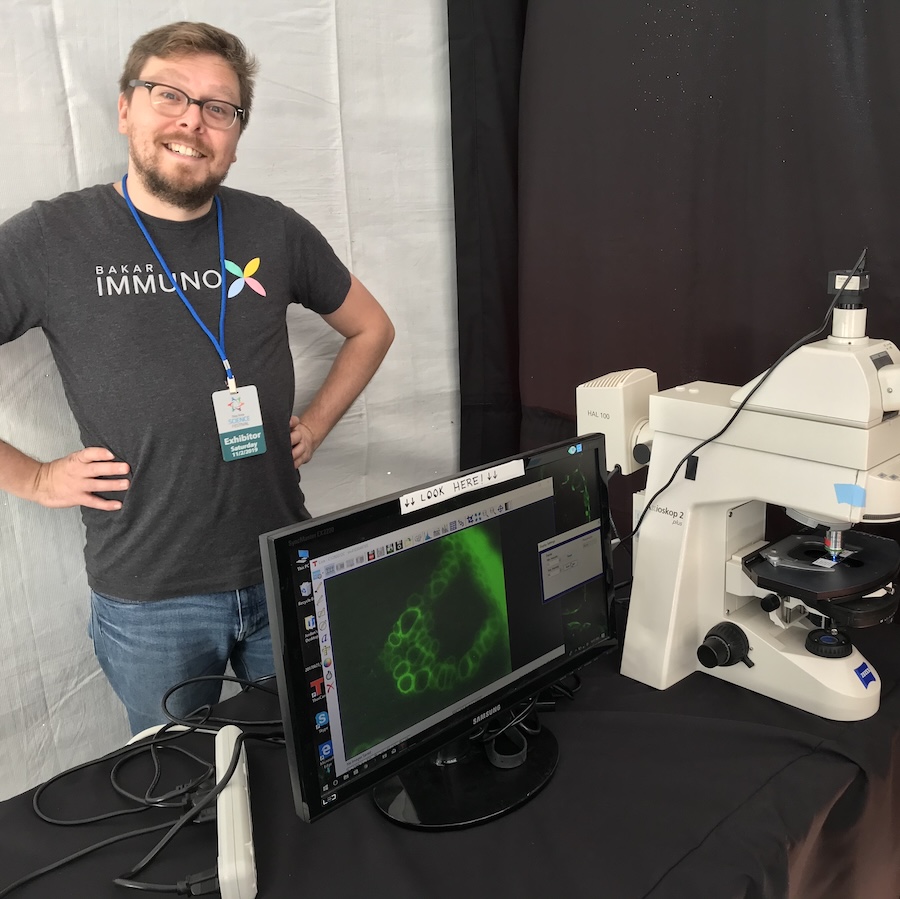
Austin Edwards, UCSF
For over six years, I have been a core member of the Microscopy CoLab at UCSF Parnassus. I have trained hundreds of students, post-docs, and staff researchers on our equipment and helped many others with image analysis. While I love my job and believe in the mission of UCSF, I am struggling to stay in this role due to rising costs of living, a lack of pay raises or promotions, and reduced benefits. Additionally, due to high turnover in my department, I have at times been asked to do work well outside of my job description with little or no additional compensation. I want to form a union so that my coworkers and I can bargain to protect the benefits we rely on and to improve our pay and working conditions.

Stephanie Garcia, UCSc
I moved back to Santa Cruz to raise a family where I grew up. Getting a job at UCSC is a dream come true – but I’m not sure how my husband (who also works on campus) and I can make ends meet as our family grows. His union seems to work hard on his behalf – I don’t see why my position wouldn’t benefit from one as well. I hope a union can help advocate for fair pay and resources for other young families like ours, where paying for childcare is almost impossible in an area with outlandish rent prices. I want my family to thrive where I thrived as a child, and I need to feel like there is hope for that in the future while working in the UC system.